



Los Pueblos Más Bonitos de España is an association founded in 2011 that selects and recognises each year the most beautiful and best-preserved rural municipalities in the country. Its mission is to protect heritage, promote sustainable rural tourism and raise the profile of small villages with great historical, cultural and scenic value.
In this article we bring you a selection of some of those villages, ideal for exploring by motorhome, with areas you can easily find on TripStop
Don’t miss these TripStop areas! Discover all the details in our blogs and book your spot before you arrive:
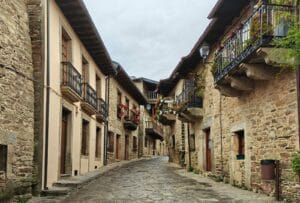
Travelling to Puebla de Sanabria by Motorhome
Discover the charm of Puebla de Sanabria by motorhome.

Travelling to Cantabria by Motorhome
Planning a trip to Cantabria by motorhome? Here are 7 unmissable plans to make your route unforgettable.
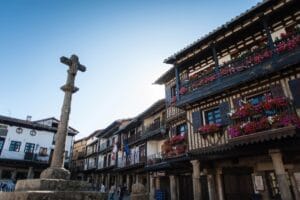
Traveling to La Alberca by motorhome
If you’re planning to travel to La Alberca by motorhome, this article will give you all the tips and points of interest you need.
Sign up for our newsletter so that you don’t miss any of our latest news
💃 Andalusia
Cádiz
Castellar de la Frontera: A white village nestled inside an Almohad fortress. From its walls, spectacular views open up over the Strait of Gibraltar and the Los Alcornocales Natural Park.
Jaén
- Baños de la Encina: Its Castillo de Burgalimar, one of the oldest in Europe, dominates the Sierra Morena. Strolling its cobbled streets is a journey straight back to the Middle Ages.
⛰️ Aragon
Huesca
- Aínsa: Gateway to the Ordesa National Park. Its medieval Plaza Mayor and castle form one of the most photogenic ensembles in the Pyrenees.
- Ansó: Known for its stone architecture and cone-shaped chimneys. It preserves a rich intangible heritage, famous for its traditional costume which reflects its deep history.
Teruel
- Albarracín: Considered one of the most beautiful villages in the world, its irregular urban layout and the reddish tones of its facades look like something out of a fairy tale.
- Valderrobres: Castle, church and medieval bridge line up over the Matarraña river. It’s no coincidence they call it the “Spanish Tuscany”.
- Calaceite: Displays great stately elegance in its carved stone houses and impressive arcaded Plaza Mayor. It forms part of the Iberian Route and maintains a rich heritage.
- Mirambel: A fully walled medieval village declared a Site of Cultural Interest. Its gateway and market hall preserve the timeless atmosphere of the Maestrazgo villages.
Zaragoza
- Sos del Rey Católico: The birthplace of Ferdinand the Catholic (15th century). A Historic-Artistic Ensemble dominating the region with its castle, seven gateways and a perfectly preserved Jewish quarter.
🏰 Castile and León
Burgos
- Frías: Holds the title of smallest city in Spain. Its houses hang from the La Muela crag, crowned by the Castle of the Dukes of Frías with views over the Ebro river.
- Puentedey: Its name says it all: it is literally built on a natural rock bridge carved out by the Nela river. A geological curiosity unique in the world that will leave you breathless.
- Covarrubias: Preserves an impeccable medieval urban layout with adobe and timber houses. Considered the cradle of Castile, with the Torre de Doña Urraca, a 10th-century defensive tower, as its landmark.
León
- Molinaseca: A key stop on the Camino de Santiago, famous for its Roman bridge and its emblazoned manor houses. It offers an oasis of tranquillity to pilgrims before entering El Bierzo.
Palencia
- Ampudia: Dominated by its imposing 15th-century castle, one of the best preserved in the region, and a Plaza Mayor with the typical arcades of the Tierra de Campos.
Salamanca
- Ciudad Rodrigo: Notable for its star-shaped bastioned walls. A frontier city with outstanding military and civil heritage, ideal for a walk along its battlements.
- Ledesma: Preserves remains of Roman baths and a fortress above the Tormes river. Its bridge and arcaded Plaza Mayor bear witness to its great historical importance on the Via de la Plata.
- La Alberca: The first village declared a Historic-Artistic Ensemble in Spain in 1940. Its cobbled streets and timber-and-stone architecture are a journey into the past.
Soria
- Medinaceli: The only place in Europe with a perfectly preserved three-arched Roman triumphal arch. Perched on a promontory overlooking the Jalón valley and the ancient Roman road.
- El Burgo de Osma: Famous for its imposing Gothic cathedral and well-preserved old town, which retains the structure of an episcopal town. It has an elegant and monumental atmosphere.
- Berlanga de Duero: Home to a great Caliphal fortress and the impressive Collegiate Church of Nuestra Señora del Mercado. Its history is linked to El Cid and medieval border conflicts.
- Vinuesa: A pine forest village with notable stone manor houses and noble coats of arms. It is the main gateway to the Laguna Negra and the Picos de Urbión Natural Park.
Zamora
- Puebla de Sanabria: A fortified town with a castle of the Counts of Benavente overlooking the largest glacial lake in Spain. A unique natural and heritage gem.
🌾 Castile-La Mancha
Ciudad Real
- Villanueva de los Infantes: Notable for its 17th-century Herreran-style Plaza Mayor and its historical importance during the Golden Age. Known as “the place in La Mancha”.
🌊 Cantabria
- Santillana del Mar: Preserves an intact medieval ensemble of stone manor houses. Its heritage value is immense and it is nicknamed the “town of three lies” (it’s neither holy, nor flat, nor by the sea).
- Potes: The nerve centre for visiting the Picos de Europa. Its old town, with bridges and towers, sits at the confluence of four valleys.
- Liérganes: Notable for its indianos manor houses and Baroque architecture. Famous for its spa and the legendary tale of the Fish Man.
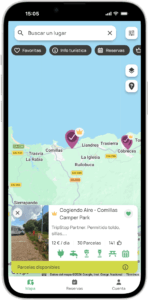
- Comillas: Known for Gaudí’s El Capricho, the Sobrellano Palace and indianos architecture. Its Modernist heritage facing the Cantabrian Sea is exceptional.
🏙️ Community of Madrid
- Chinchón: Its Plaza Mayor is unique for its irregular shape, 234 wooden balconies and use as a bullring — a spectacular visual centrepiece.
- Nuevo Baztán: A remarkable example of 18th-century industrial Baroque urbanism, designed as a manufacturing town by José de Churriguera.
🍊 Valencian Community
Castellón
- Morella: An imposing medieval fortress crowning the hilltop, surrounded by walls. Its castle and arcaded streets are a testament to its rich frontier history.
- Culla: Home to the ruins of a Templar castle and panoramic views of the Maestrat. Its old town preserves the original Moorish layout and is a Site of Cultural Interest.
- Vilafamés: Famous for its Roca Grossa splitting the street, its castle and its Museum of Contemporary Art, blending history with avant-garde culture.
- Peñíscola: The Castle of Pope Luna rising above the Mediterranean Sea. Its isthmus connects the fortress to the mainland, creating an iconic silhouette of great historical and cinematic value.
⚔️ Extremadura
Badajoz
- Jerez de los Caballeros: Known for its tiled Baroque towers, a legacy of the Knights Templar that dominates the landscape of Badajoz.
- Olivenza: Famous for its blend of cultures (Portuguese and Spanish). Its bastioned walls and churches mix Manueline and Baroque styles.
- Llerena: Known for its Mudéjar architecture and elegant arcaded squares. It was an important artistic and social centre during the Golden Age.
Cáceres
- Valverde de la Vera: Famous for its “chorreras” (water channels) running through the streets. Its traditional La Vera architecture, with wooden overhangs, is unique and well preserved.
🌳 Galicia
Lugo
- Mondoñedo: Former provincial capital famous for its Cathedral Basilica of the Assumption, a landmark on the Camino de Santiago, and its medieval bridges.
Ourense
- Castro Caldelas: Notable for its medieval castle and panoramic views of the Ribeira Sacra. An essential destination for river and nature tourism in Ourense.
🏝️ Canary Islands
Las Palmas
- Betancuria: Former capital of Fuerteventura. It features colonial architecture and is a historic oasis in the island’s arid volcanic landscape.
🍇 La Rioja
- Sajazarra: Known for its 15th-century Gothic palace-castle, one of the most elegant in La Rioja Alta, surrounded by vineyards.
🐑 Navarre
- Roncal: Famous for its Denomination of Origin cheese and as the birthplace of tenor Julián Gayarre. It embodies the essence of the Navarrese valley in the Pyrenees.
Conclusion
From the green valleys of the north to the sunny south, Spain is a mosaic of villages that preserve their essence, their history and their beauty.
Travelling by motorhome lets you experience them without rushing, enjoying their heritage, gastronomy and people. Every stop is an opportunity to travel sustainably, discover new cultures and connect with authenticity.
We hope this guide inspires your next adventure. Get your motorhome ready, check the overnight spots on TripStop and set off to discover these hidden treasures!